The Support Services Audit: Which Campus Offices Actually Deliver When Your Semester Goes Sideways
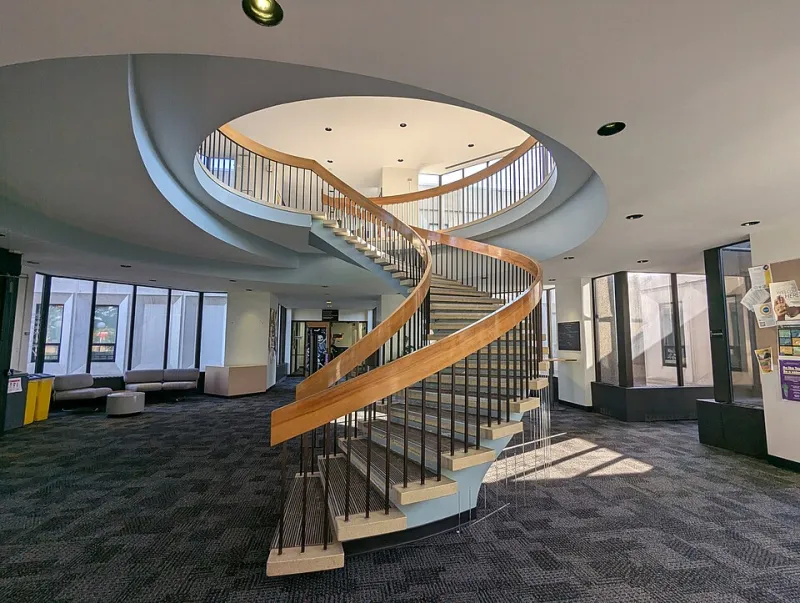
Photo: MSwierenga, CC BY-SA 4.0, via Wikimedia Commons
Walk through any student union during orientation week and you will collect a dozen flyers promising support: tutoring centers, care teams, emergency funds, advocacy offices. The implicit message is that help is everywhere. The reality, as most students discover too late, is that this infrastructure varies enormously in what it can actually do — and knowing the difference before a crisis is a strategic advantage.
Tier One: Offices With Real Authority
Start with the offices that can change outcomes, not just soothe feelings.
The Dean of Students office is the most underused power center on American campuses. Unlike academic advisors, who operate within degree requirements, deans of students can authorize retroactive withdrawals, initiate emergency enrollment appeals, and intervene when a medical or family crisis collides with academic deadlines. Students often assume this office exists to punish; in practice, it exists to arbitrate. A documented hardship, presented early, gives this office leverage it cannot exercise after grades post.
The ombudsperson — a role more common at large public universities than students realize — occupies a unique position: confidential, informal, and independent of formal disciplinary channels. When a grading dispute stalls, a professor stops responding, or a departmental policy seems applied inconsistently, the ombuds office can clarify your options without triggering a formal process. Their neutrality is the point. They will not advocate for you, but they will tell you precisely which door to knock on next.
Emergency aid funds have expanded dramatically since 2020, with many institutions now maintaining rapid-response grant programs for car repairs, utility shutoffs, and food insecurity. These are typically grants, not loans, and the application windows are often measured in days. The catch: most students never apply because they assume eligibility is narrower than it is.
Tier Two: High Value, But Only If You Come Prepared
Academic success centers and writing labs deliver measurable results, but the students who benefit treat them as coaching rather than triage. A writing center appointment booked three days before a deadline produces marginal edits; one booked during the outline stage can restructure an argument. The same logic applies to supplemental instruction sessions attached to gateway STEM courses — attendance correlates strongly with performance precisely because the sessions rehearse the material before the exam, not after.
Disability services offices deserve special mention. Students with documented conditions often avoid these offices out of stigma, then struggle through semesters they did not have to struggle through. Accommodations — extended testing time, note-taking support, housing adjustments — require advance registration and, frequently, renewal each term. The paperwork lead time is the hidden constraint.
Tier Three: Useful, With Caveats
Mental health and counseling centers at most institutions operate on a short-term model, often capping sessions per semester and referring long-term care out to community providers. They remain valuable for acute stress, but students expecting ongoing weekly therapy should ask about session limits at intake, not discover them at session six.
Career services tends to overpromise for underclassmen and underdeliver for seniors seeking mid-career pivots. Its genuine strengths are employer relationships, on-campus recruiting, and alumni networks — assets best accessed a full year before graduation.
The Marketing Layer
Then there is the category that exists primarily in brochures. Some institutions publicize "success coaching" programs that amount to a single introductory meeting. Peer mentorship initiatives, wellness weeks, and branded support apps frequently absorb administrative energy while the offices above remain understaffed. None of this is inherently bad — but a student allocating limited time should weight services by authority and track record, not visibility.
A Practical Sequence
When trouble arrives, the order of approach matters. Document everything first: emails, syllabi, medical notes. Then contact the office with the most direct authority over your specific problem — registrar for enrollment, dean of students for hardship, ombuds for interpersonal disputes. Escalate only after the first door closes, and always in writing.
Support infrastructure on US campuses is real. It is also uneven, procedural, and time-sensitive. The students who benefit from it are the ones who mapped it before they needed it — a thirty-minute exercise at the start of any semester that pays dividends when the semester stops cooperating.